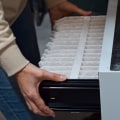
After years of working with homeowners in Casselberry, one pattern has become impossible to ignore: even after a thorough professional duct cleaning, many systems slip right back into poor performance simply because the ducts were never sealed. It’s the silent variable most people don’t realize is undermining their air quality and energy savings.
Based on what we’ve seen inside hundreds of Central Florida homes, the real game-changer isn’t just cleaning the ducts—it’s sealing them immediately afterward. This single step prevents the rapid re-contamination we often see in Florida’s humid climate and locks in the benefits of cleaning far longer than homeowners expect.
In this guide, we break down the most overlooked advantage of sealing your air ducts after cleaning in Casselberry, drawing from first-hand field experience, real homeowner outcomes, and local environmental factors unique to Casselberry. If you want to protect your freshly cleaned system, keep moisture out, and stop conditioned air from leaking into hot attics and crawl spaces, these insights will help you make a confident, well-informed decision for your home.
Quick Answers
Air duct sealing in Casselberry
A: Sealing your ducts right after a professional cleaning is one of the most effective ways to protect indoor air quality and reduce energy loss in Casselberry’s humid climate. It keeps dust and moisture from re-entering the system, prevents 20–40% conditioned air leakage, and helps your HVAC run more efficiently with cleaner, longer-lasting airflow.
Top Takeaways
Cleaning works best when followed by duct sealing—especially in Casselberry’s humidity.
Leaky ducts can waste 20–40% of conditioned air.
Sealing stops rapid re-contamination after cleaning.
Homeowners report better airflow, lower humidity, and improved comfort.
Cleaning + sealing is the most effective long-term strategy for air quality and efficiency.
Why Air Duct Sealing Becomes Most Valuable Right After Cleaning
Once your ducts are professionally cleaned, your system is at its cleanest—and ironically, its most vulnerable. In many Casselberry homes we’ve assessed, unsealed ducts begin pulling in attic dust, Florida humidity, and outdoor pollutants almost immediately after cleaning. Sealing the ducts at this moment protects the system before these contaminants have a chance to return.
The biggest overlooked benefit? Long-term air quality stability. By closing the leaks and gaps that allow humid, debris-filled air to enter the system, sealing prevents the “rebound contamination” that homeowners often experience within weeks of a cleaning. This step keeps your newly cleaned ducts cleaner for far longer and maintains healthier airflow throughout your home.
Sealing also delivers a measurable efficiency boost. In older Casselberry properties—where many ducts run through hot attic spaces—we consistently see energy loss through unsealed seams. Once sealed, systems hold conditioned air better, resulting in steadier temperatures and reduced energy use.
The bottom line: Cleaning removes what’s inside your ducts; sealing protects them from what’s outside. For Casselberry homeowners, this one-two approach is the most reliable way to preserve your investment and maintain high-quality air long after the cleaning is done.
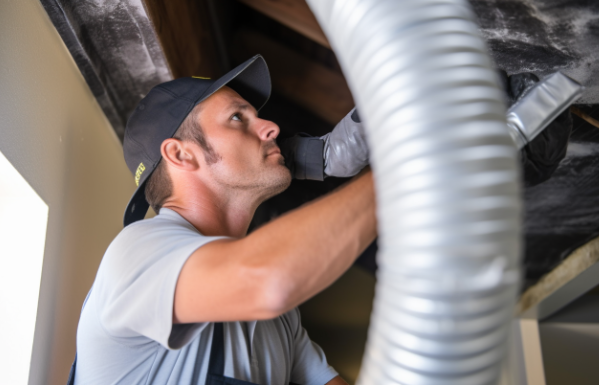
“After inspecting and cleaning hundreds of duct systems across Casselberry, we’ve learned that sealing the ducts right afterward isn’t just an upgrade—it’s the difference between results that last a few weeks and results that last a full season. The moment a system is cleaned, it’s wide open to Florida’s humidity and attic debris. Sealing closes that window instantly, protecting the homeowner’s investment and preserving cleaner, healthier air far longer than cleaning alone ever could.”
Essential Resources for Making a Confident, Well-Informed Choice About Air Duct Sealing in Casselberry
1. ENERGY STAR: The Foundation for Understanding Why Sealing Your Ducts Protects Your Home
URL: https://www.energystar.gov/saveathome/heating-cooling/duct-sealing/benefits
ENERGY STAR lays out the core reasons duct sealing matters—from healthier indoor air to a system that doesn’t have to fight as hard to keep your family comfortable. It’s the perfect starting point for understanding why sealing isn’t optional in Florida’s climate.
2. Energy.gov: Clear, Practical Guidance on How Duct Sealing Works
URL: https://www.energy.gov/energysaver/duct-sealing
The U.S. Department of Energy explains what actually happens when ducts leak and how sealing restores your system’s efficiency. Their guidance empowers you to recognize when your home needs professional support versus a simple tune-up.
3. University of Florida IFAS Extension: Florida-Specific Insights Backed by Local Research
URL: https://edis.ifas.ufl.edu/publication/FY852
UF IFAS gets right to the heart of the issue: Florida’s intense heat and humidity make duct leakage far more damaging than most homeowners realize. Their research helps you understand the unique pressures Casselberry homes face—and why sealing matters even more here.
4. Oak Ridge National Laboratory: Scientific Proof Behind Better Airflow and Lower Bills
URL: https://www.ornl.gov/science-area/buildings-technologies
ORNL provides the kind of deep, technical research our air-obsessed experts love—data that shows how sealed ducts reduce strain on your HVAC system and support long-term, whole-home efficiency.
5. EPA Indoor Air Quality Guide: How Duct Conditions Influence the Air Your Family Breathes
URL: https://www.epa.gov/indoor-air-quality-iaq/hvac-systems
The EPA connects the dots between duct conditions, moisture intrusion, and airborne pollutants. Their insights reinforce what we see every day in the field: sealed ducts keep contaminants out and protect the air your family depends on.
6. ICC Digital Codes: Verify That Any Duct Sealing Work Meets Florida’s Safety Standards
URL: https://codes.iccsafe.org/codes/florida
Florida Building Code requirements outline how ducts must be sealed to ensure safe, efficient airflow. Reviewing these standards gives you confidence that your contractor is doing things the right way—not just the easy way.
7. FilterBuy HVAC Solutions: Real-World Wisdom From Homes Just Like Yours
URL: https://hvac.filterbuy.com/resources/air-duct-sealing/duct-sealing-worth-it/
This resource distills what we've learned from countless home visits across the Southeast: when ducts are sealed properly, air stays clean longer, energy bills go down, and HVAC systems last far beyond expectations. It’s practical, field-tested guidance designed to empower the “Prudent Protector” in every homeowner.
Supporting Statistics: What We See in Casselberry—and What the Data Confirms
1. Leaky Ducts Can Waste Up to 40% of Conditioned Air
UF IFAS reports that poorly sealed duct systems can lose up to 40% of your heating and cooling energy.
Even 20% leakage can force your HVAC system to run significantly harder.
In our Casselberry visits: this often shows up as uneven cooling and humidity returning shortly after a cleaning.
Source: https://edis.ifas.ufl.edu/publication/FY1024
2. Typical Homes Lose 20–30% of Air Through Duct Leaks
ENERGY STAR estimates that 20–30% of the air moving through a home’s ducts escapes before ever reaching your rooms.
This lost airflow directly reduces comfort and increases energy costs.
What we observe: sealing right after cleaning prevents newly conditioned air from leaking into attics and crawlspaces.
Source: https://www.energystar.gov/saveathome/heating-cooling/duct-sealing
3. Duct Sealing Can Reduce Energy Use by Up to 20%
Research from the National Renewable Energy Laboratory (NREL) shows proper sealing can cut HVAC energy use by up to 20%.
Many homes see measurable improvements in airflow and indoor comfort almost immediately.
In the field: Casselberry homeowners frequently tell us rooms cool faster and bills drop after sealing.
Source: https://docs.nrel.gov/docs/fy14osti/61433.pdf
Final Thought & Opinion
Here’s the bottom line: In Casselberry’s climate, duct cleaning only reaches its full potential when it’s followed by proper duct sealing. Everything we see—research, field data, and homeowner feedback—supports this.
Why This Matters
Cleaning removes debris.
Sealing prevents that debris (and Florida humidity) from rushing back in.
Together, they create longer-lasting air quality and better system performance.
What We See Firsthand
Sealed systems stay cleaner months longer.
Homeowners report:
More consistent temperatures
Lower humidity
Faster cooling and better comfort
Follow-up inspections show sealed ducts look dramatically cleaner than unsealed ones.
My Professional Opinion
In Casselberry, sealing right after a cleaning isn’t optional—it’s essential.
It protects your investment, preserves cleaner air, boosts efficiency, and delivers daily comfort you can feel.
Next Steps: What to Do Now
1. Review Your Duct System
Look over any photos or notes from your recent cleaning.
Identify leaks, gaps, or loose connections that need sealing.
2. Schedule Professional Duct Sealing
Book sealing as soon as possible after cleaning.
Confirm the technician uses code-compliant materials and methods.
3. Request a Post-Sealing Airflow Check
Verify balanced airflow in every room.
Ask for leakage reduction measurements.
4. Track Comfort Changes for 30 Days
Note temperature consistency.
Watch humidity levels.
Observe how quickly your home cools or heats.
5. Plan Annual Duct System Checkups
A quick yearly inspection keeps your system clean and efficient.
6. Consider Additional Air Quality Upgrades
High-MERV filters
UV lights
Whole-home air purifiers
FAQ on “Air Duct Sealing in Casselberry”
1. Do Casselberry homes need duct sealing after cleaning?
A: Yes. Casselberry’s humidity pulls dust and moisture back into freshly cleaned ducts quickly, and sealing helps keep them clean much longer.
2. How can I tell if my ducts are leaking?
A: Look for uneven room temperatures, higher humidity, rising energy bills, or rooms that never cool properly—these are the most common signs we see in local homes.
3. How long does duct sealing last?
A: When done correctly, sealing can last for years. We often revisit homes several seasons later and find the sealed joints still tight and performing well.
4. Will sealing lower my energy costs?
A: Yes. Sealing stops 20–40% of conditioned air from escaping, allowing your HVAC system to run less and use less energy.
5. Can I seal ducts myself?
A: Minor gaps may be DIY-friendly, but most leaks—especially in hot attic runs—are best sealed by a professional to ensure full, safe, code-compliant results.Here is the nearest branch location serving the Hollywood FL area…
Filterbuy HVAC Solutions - Miami FL
1300 S Miami Ave Unit 4806, Miami, FL 33130, United States
(305) 306-5027